Exploring the diverse cultural perceptions of gambling around the world
The Historical Roots of Gambling
Gambling has been an integral part of human civilization for centuries, with roots tracing back to ancient cultures. Archaeological evidence suggests that games of chance were played in Mesopotamia around 5,000 years ago, with dice made from animal bones. Ancient Chinese, Egyptians, and Greeks also participated in forms of gambling, often intertwined with religious practices and rituals. These early iterations laid the foundation for modern gambling, illustrating how deeply ingrained it is in human history. A popular online destination for players today is cowboy spin, which reflects the modern evolution of these ancient practices.

In Europe, gambling gained prominence during the Middle Ages, evolving into more structured forms like card games and betting on tournaments. This era saw the establishment of some of the first gambling houses, setting a precedent for today’s casinos. The evolution of gambling reflects cultural perceptions that have shifted over time, from being viewed as a pastime for the elite to a common form of entertainment accessible to all social classes.
Across various societies, the perception of gambling has often oscillated between moral condemnation and acceptance. For instance, in some cultures, gambling was seen as a vice, leading to societal issues like addiction and economic disparity. Conversely, in other cultures, it was celebrated as a festive activity, a way to foster community and social bonds. This duality highlights the complex interplay of history and culture in shaping our understanding of gambling.
Gambling in Eastern Cultures
In Eastern cultures, the perception of gambling can vary widely. In countries like China, gambling holds significant cultural importance, often associated with luck and prosperity. Traditional games like Mahjong and Pai Gow have been played for generations, especially during festivals and family gatherings. The Chinese view gambling as a social activity, and its association with auspiciousness leads to a vibrant gambling culture, particularly around Lunar New Year celebrations.
However, in contrast to this positive perception, some East Asian countries impose strict regulations on gambling. For instance, in Japan, while pachinko parlors thrive, traditional gambling is largely prohibited. This reflects a cultural hesitation towards the potential for addiction and social disruption. The government’s restrictive stance embodies a complex relationship with gambling that seeks to balance cultural practices with social responsibility.
Additionally, the rise of online gambling has transformed how gambling is perceived in Eastern societies. While some embrace it as a modern form of entertainment, others worry about its implications for youth and societal values. The dual nature of gambling’s cultural perception in the East illustrates the balancing act between tradition and modernity, highlighting ongoing debates about morality, legality, and economic benefit.
Western Attitudes Towards Gambling
In Western cultures, attitudes towards gambling have evolved significantly over the past few decades. Historically, gambling was often stigmatized, seen as a vice that led to moral decay. However, in recent years, there has been a notable shift towards normalization and acceptance. This change can be attributed to the rise of state-sponsored lotteries, online gambling platforms, and the increasing popularity of sports betting, which have transformed gambling into a mainstream activity.
The legalization of gambling in many states in the United States serves as a case study in changing perceptions. Once viewed as a potentially harmful activity, it is now celebrated for generating revenue and creating jobs. This shift also reflects broader societal trends towards individual choice and the belief in personal responsibility, allowing adults to make their own decisions about gambling without societal stigma.
Nevertheless, the dark side of gambling in Western cultures persists, with concerns about addiction and its societal impact. Advocacy groups work tirelessly to raise awareness about gambling addiction and promote responsible gaming practices. The juxtaposition of gambling as both entertainment and a potential source of harm illustrates the complexity of cultural perceptions, showcasing how societies navigate between enjoyment and social responsibility.
Gambling and Social Norms
Social norms play a crucial role in shaping how gambling is perceived across different cultures. In some societies, gambling is celebrated as an essential part of communal life, where people gather to celebrate, socialize, and take risks together. In contrast, other cultures may regard gambling as a taboo, associating it with moral failing or social irresponsibility. This dichotomy illustrates the broader implications of how societal values influence individual behavior concerning gambling.
The impact of religious beliefs on gambling cannot be overlooked. In cultures where religion plays a pivotal role, such as in Islamic countries, gambling is often strictly forbidden. This prohibition stems from the belief that gambling promotes greed and exploitation, leading to social decay. In contrast, in predominantly secular societies, gambling is generally seen as a harmless form of entertainment, leading to a stark contrast in attitudes towards the activity.
These differing perspectives often lead to a patchwork of laws and regulations governing gambling. Countries with more liberal views may have extensive gambling industries, while others impose strict bans or limitations. This variance underscores the influence of cultural perceptions on legal frameworks, illustrating how societal values can dictate the extent and form of gambling that is permissible.
Modern Trends in Global Gambling Culture
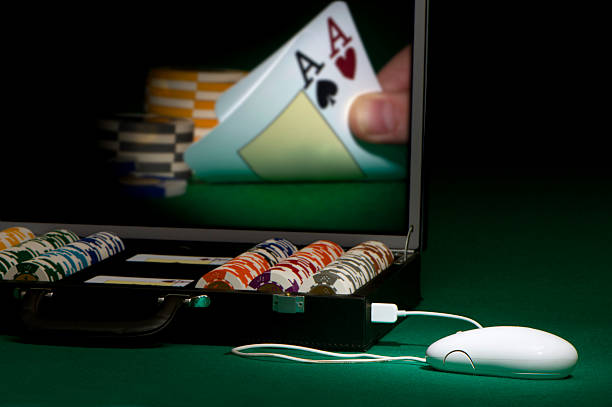
The rise of technology has significantly reshaped global gambling culture, with online platforms and mobile apps making gambling accessible to a broader audience. This democratization of gambling has led to a blend of cultural perceptions, as traditional views meet modern practices. The ability to gamble from anywhere has transformed societal norms, making gambling more prevalent and accepted in various demographics, including younger populations.
Moreover, the advent of online casinos and sports betting has prompted discussions about regulation, addiction, and responsible gaming. Many countries are grappling with the implications of this new landscape, striving to find a balance between economic benefits and social responsibility. The discourse around online gambling reflects a broader cultural shift towards acceptance, yet it also raises questions about how societies can protect vulnerable individuals from potential harm.
As gambling continues to evolve, cultural perceptions will likely adapt as well. With increasing global interaction, individuals are exposed to different gambling traditions and practices, which can influence local attitudes. This cultural exchange fosters a greater understanding of gambling as both a leisure activity and a complex social issue, paving the way for more nuanced discussions about its place in society.
Conclusion and Insights on Cowboy Spin Casino
In summary, gambling is a multifaceted activity that varies significantly across cultures, influenced by historical, social, and technological factors. Understanding these diverse perceptions allows for a greater appreciation of how gambling functions within different societies. From ancient traditions to modern online platforms, gambling reflects both individual choice and collective cultural values, highlighting its complex role in contemporary life.
As an example of the evolving gambling landscape, Cowboy Spin Casino offers a vibrant online platform that caters to diverse players, particularly in Ireland. With its extensive range of games and commitment to responsible gambling, it embodies the changing perceptions of gambling in today’s digital age. By understanding these cultural nuances, platforms like Cowboy Spin can better serve their communities and promote positive gambling experiences.